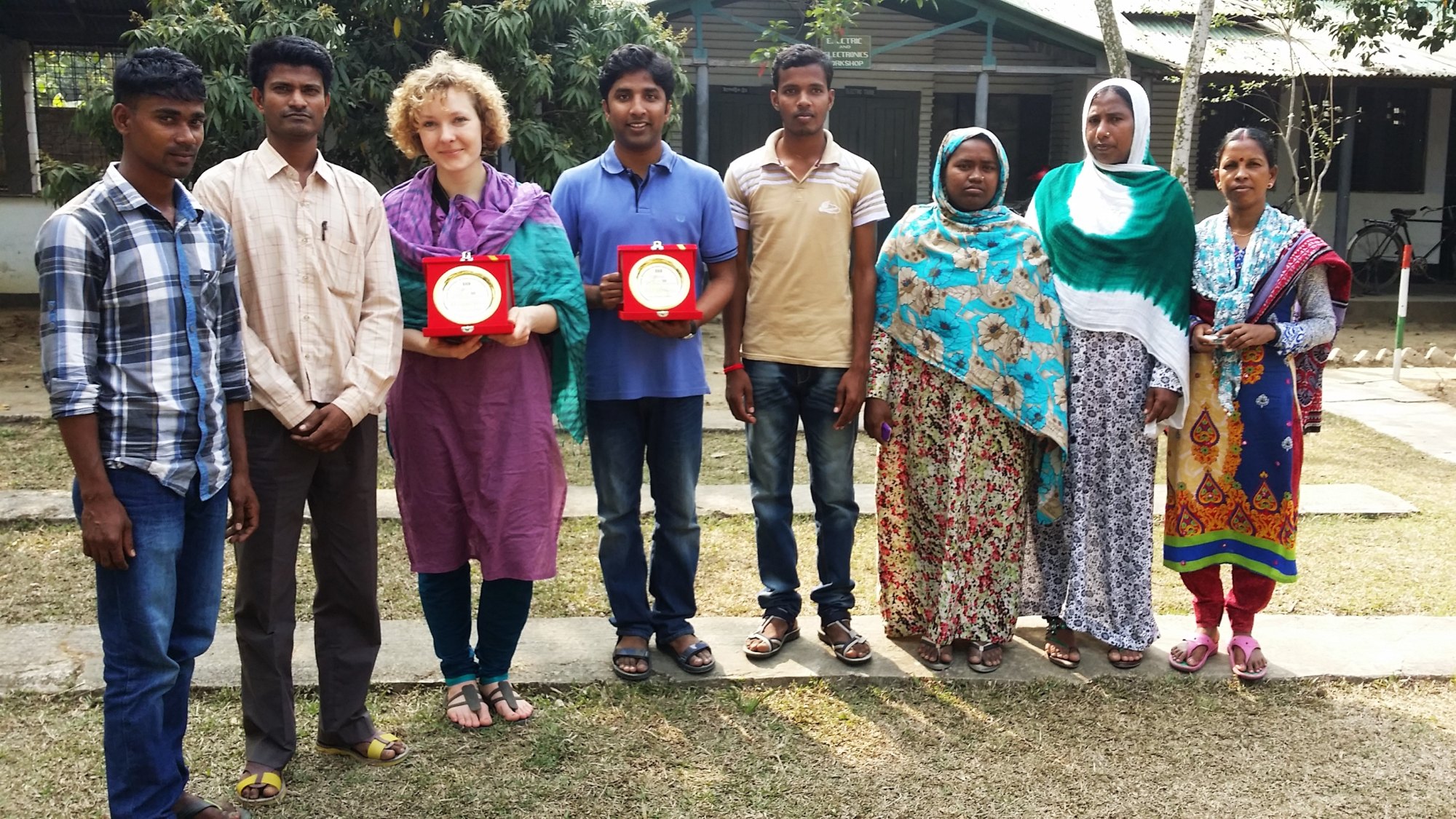
Raminta combined her master’s thesis with a six-week trip through Bangladesh to collect data on the Gono Kendra project. This is what she brought home.
I was lucky and fortunate to have an opportunity to combine my final and largest university assignment with a great travel experience: I undertook a six-week trip to Bangladesh in order to collect data for my master’s thesis, which was based on the Gono Kendra project. Since the project is located in two different sites, I got to travel throughout the country and meet a lot of different people. I experienced the most crowded, noisy, polluted and densely populated city in the world: Dhaka. Afterwards I travelled to a remote village in the south, Joypurhat, surrounded by the greenest fields of rice, and finally I spent ten days in Bagerhat, very close to a river delta, where for the first time I saw fish farms and mangrove forests where the roots of the trees stick out of the ground.
Those six weeks were so diverse and full of exciting encounters every day. You could say that coming from Europe to Asia will always be an exciting experience, and you would be right. But I have travelled in Asia before, and I will still boldly maintain that Bangladesh is a very unique and “raw” country. I call it raw because it has not been “cooked” for long in the pot of globalisation. Throughout my visit I saw just a few foreign tourists. In the capital of 20 million people there were only a few tiny supermarkets, because everyone buys food in local bazaars, and the food was traditional, locally produced, freshly cooked and full of rich flavour. For my palate it was at times a bit too spicy, too deep-fried and more often than not too sweet.
But regardless of the exterior differences, the most striking impressions were the massive levels of poverty, the immense gender inequality and the remarkable human rights violations, especially regarding women. According to the United Nations, Bangladesh is still considered one of the world’s least developed countries, although the World Bank notes that it “has maintained an impressive track record on growth and development”. Poverty has dropped by a third while life expectancy, literacy and food intake have risen. Still, a complex political situation, high levels of corruption and social and developmental challenges remain. Even though the country has established a fragile democracy, ordinary citizens rarely have a voice in the political process. Being poor, with little knowledge of how to approach the authorities, means that poor people’s, and particularly poor women’s, access to public welfare is an ever-present challenge.
One of the prominent issues for my western eyes was the double standard based solely on gender. Simply because one is born female, one has much less freedom and fewer possibilities in life, regardless of class or social status. The great majority of decisions will be made for her by someone else: usually her father, then her husband (who will also be chosen for her), and finally a son, who will be obliged to support and provide, as a woman would very rarely have a job with a salary. This, I learnt later, is a usual practice, produced and reproduced for many generations with little questioning. Both genders usually comply with these unwritten rules and norms. These inequalities were the most difficult for me to observe and conform to, as I was a guest and, as a researcher, had no ambition or right to challenge their traditions.
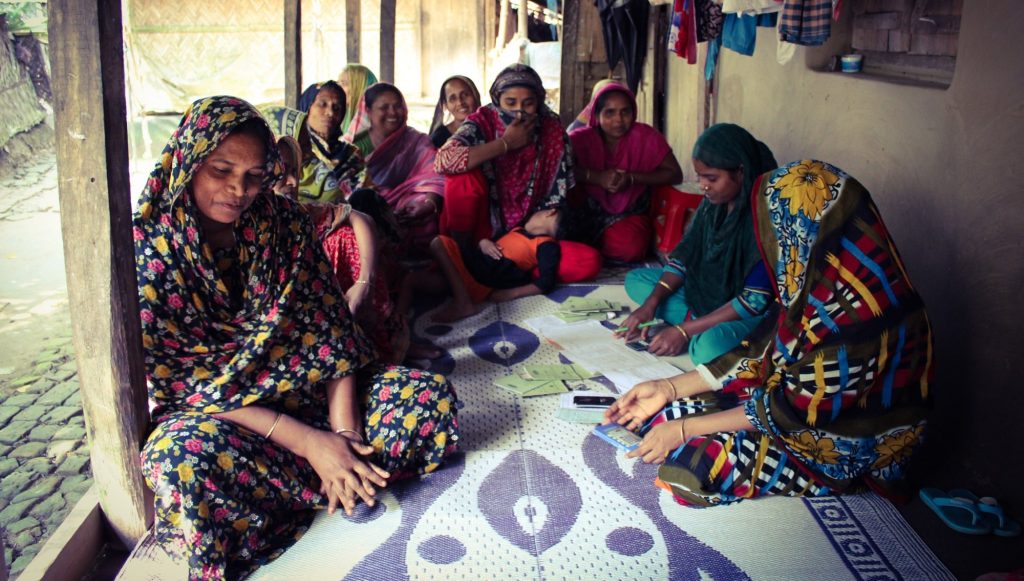
The brave women of the Gono Kendras
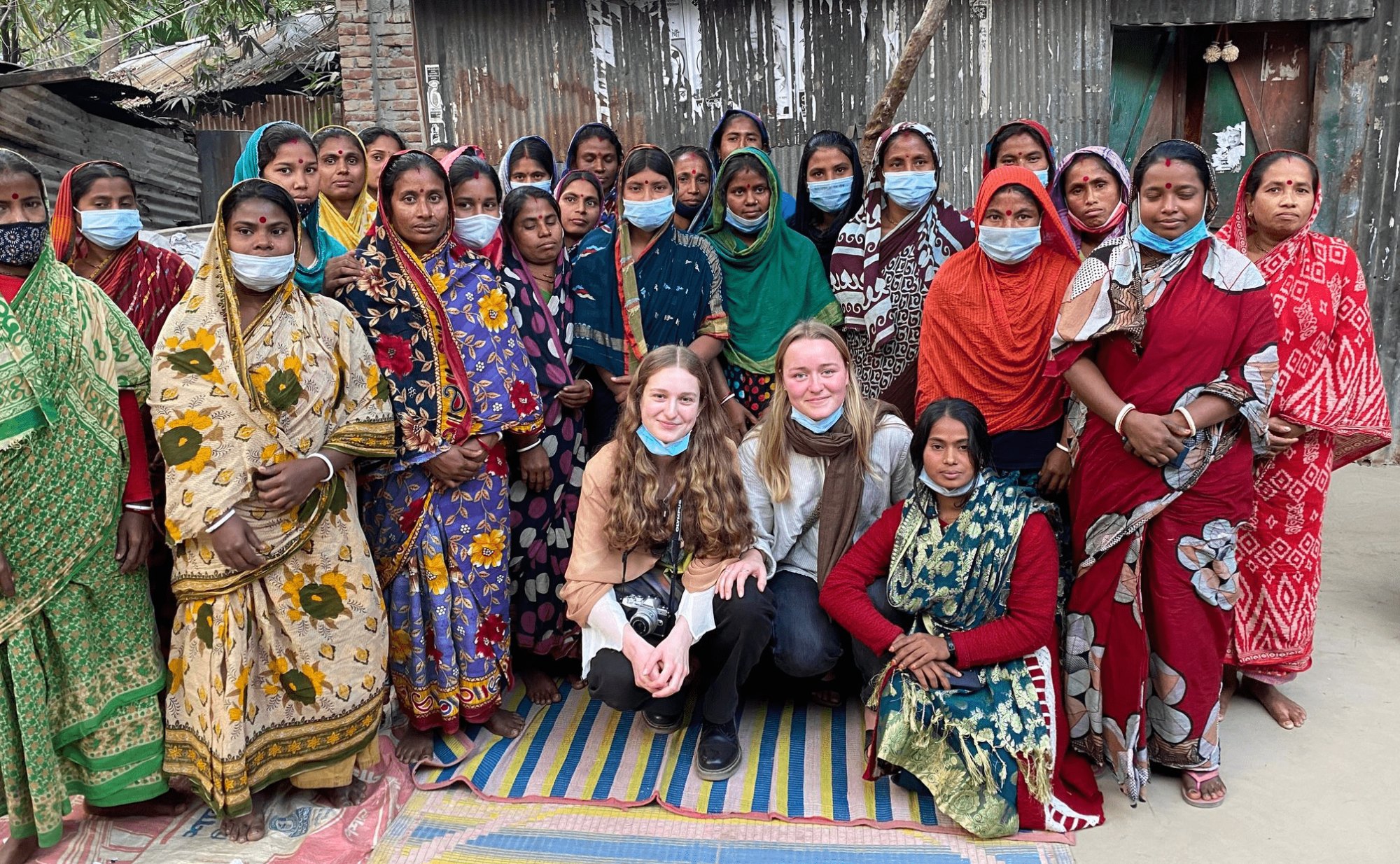
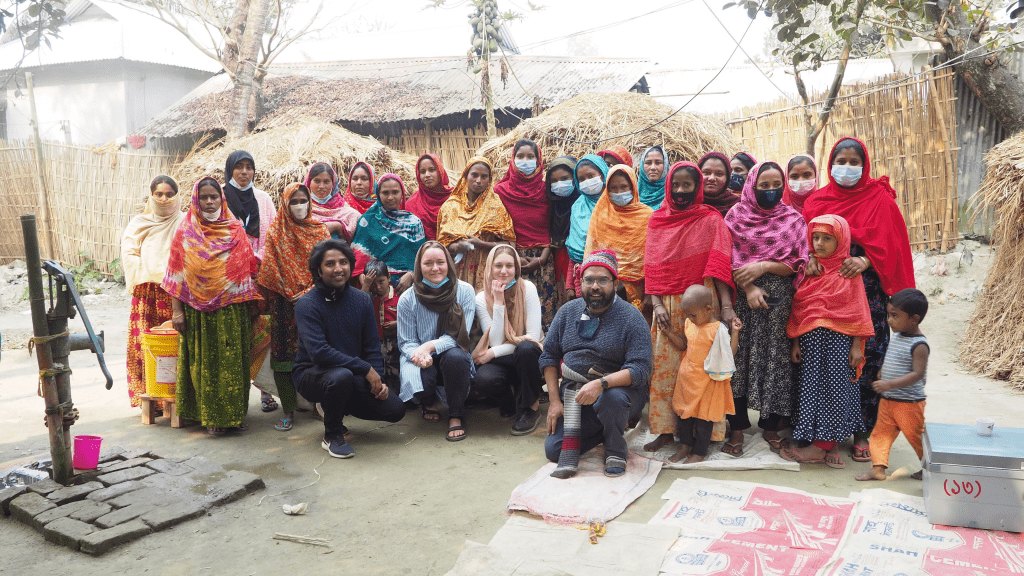
However, visiting both project areas was not a depressing experience at all. I was so impressed by witnessing and hearing the stories of the brave women who, thanks to the Gono Kendra project, had an opportunity to start moving the wheel of their lives themselves. The stories I was told shook me: stories of teenage girls married off at 12, 13 and 14 because of immense poverty, with no education and no other possibilities. Now, some years later and mothers of several children themselves, they have joined the Gono Kendra project, regardless of family resistance, hoping to improve their own and their families’ lives. And the great majority of them did, in a considerably short time. They have gained knowledge and new skills: some have started their own small tailoring businesses, and thanks to the self-saving programme all the members have saved significant amounts of money which they reinvest or use for family affairs.
This trip has been my inspiration and motivation to join Bandhab, because I have seen how much they need assistance to be able to change their lives, and how grateful, warm and loving they are towards Bandhab.
Dear members of Bandhab, thank you for supporting the organisation, because it does make a positive difference in the world.
Raminta Sakinyte · Bandhab volunteer, 2016